
Enhancing User Experience Through Smart Strategies
- info8017824
- Sep 9, 2025
- 4 min read
When we talk about building a successful online presence, user experience (UX) is the cornerstone. It’s not just about having a pretty website; it’s about creating a seamless, enjoyable journey for your visitors. We want every click, scroll, and interaction to feel intuitive and rewarding. That’s where smart UX strategies come into play. They help us design websites that not only look good but also perform exceptionally well, turning casual visitors into loyal customers.
Let’s dive into how we can enhance user experience with practical, actionable approaches that small businesses and startups can implement right away.
Why Smart UX Strategies Matter
Smart UX strategies are the secret sauce behind websites that convert. They focus on understanding user behavior, simplifying navigation, and delivering content that resonates. When done right, these strategies reduce bounce rates, increase engagement, and boost sales.
Think about your own experience online. How often have you left a site because it was confusing or slow? We want to avoid that for our visitors. By applying smart UX strategies, we create a digital environment that feels natural and welcoming.
Here are some key benefits:
Improved usability: Visitors find what they need quickly.
Increased trust: A professional design builds credibility.
Higher conversion rates: Clear calls to action guide users to take the next step.
Better SEO: Search engines favor user-friendly sites.
Implementing these strategies doesn’t require a massive budget or complex tools. It’s about making thoughtful choices that prioritize the user’s needs.

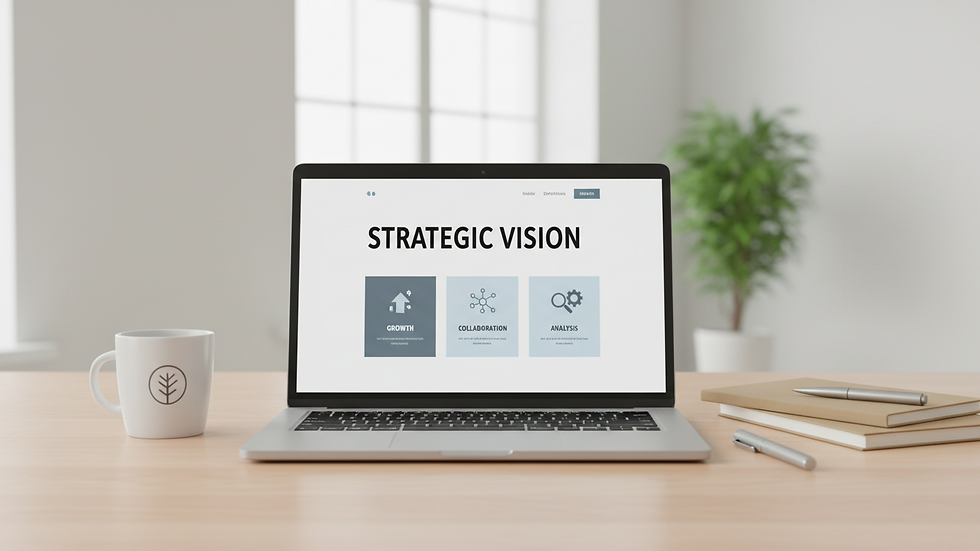
Smart UX design workspace showing planning and creativity
Implementing Smart UX Strategies for Your Website
To get started, we focus on a few core areas that have the biggest impact on user experience. These are easy to understand and apply, even if you’re new to web design.
1. Simplify Navigation
Navigation is the roadmap for your visitors. If it’s cluttered or confusing, users will leave. Keep menus clear and concise. Use familiar terms and logical groupings. For example, instead of “Our Offerings,” use “Services” or “Products.”
Limit menu items to 5-7 options.
Use dropdowns sparingly.
Include a search bar for larger sites.
2. Optimize Page Load Speed
Slow websites frustrate users and hurt your rankings. Compress images, minimize code, and leverage caching. Tools like Google PageSpeed Insights can help identify issues.
3. Mobile-First Design
More than half of web traffic comes from mobile devices. Design your site to look and work great on smartphones and tablets first, then scale up for desktops.
4. Clear Calls to Action (CTAs)
Guide users with bold, visible CTAs. Use action words like “Get Started,” “Contact Us,” or “Shop Now.” Place them strategically where users naturally pause.
5. Consistent Visual Design
Use a consistent color palette, typography, and style. This builds brand recognition and makes your site feel cohesive.
By focusing on these areas, you create a foundation for a user-friendly website that supports your business goals.

Website wireframe illustrating clear layout and navigation
What is an example of a user experience strategy?
Let’s look at a concrete example to bring these ideas to life. Imagine a small online boutique selling handmade jewelry. They want to increase sales and reduce cart abandonment.
Here’s a user experience strategy they might use:
User Research: Conduct surveys and interviews to understand customer preferences and pain points.
Simplified Checkout: Reduce the checkout process to three steps, removing unnecessary fields.
Trust Signals: Add customer reviews and secure payment badges near the checkout button.
Mobile Optimization: Ensure the site is fully responsive and easy to navigate on phones.
Personalized Recommendations: Use browsing history to suggest related products.
This strategy addresses specific user needs and business goals. The result? A smoother shopping experience that encourages customers to complete their purchases.
By tailoring your approach to your audience, you can create a website that truly connects and converts.
Leveraging user experience strategies to Grow Your Business
We know that great design alone isn’t enough. Your website must work hard to attract and retain customers. That’s why integrating user experience strategies into your development process is essential.
Here’s how these strategies help your business grow:
Attract More Visitors: A well-designed site ranks better and draws organic traffic.
Engage Users: Interactive elements and clear messaging keep visitors interested.
Convert Leads: Easy navigation and strong CTAs turn visitors into customers.
Build Loyalty: A positive experience encourages repeat visits and referrals.
For small businesses and startups, this means more visibility, higher sales, and stronger brand presence without breaking the bank.
We recommend partnering with experts who understand your unique challenges and goals. They can tailor solutions that fit your budget and timeline while delivering maximum impact.

Team collaborating on UX design strategies to improve user experience
Taking the Next Step with Smart UX Strategies
Now that we’ve explored the power of smart UX strategies, it’s time to put them into action. Start by evaluating your current website. Identify areas where users might struggle or drop off. Use analytics tools to gather data and feedback.
Next, prioritize changes that will have the biggest impact. Remember, even small improvements can make a big difference. Focus on clarity, speed, and mobile usability.
If you’re ready to elevate your online presence, consider working with a professional web design agency that specializes in helping small businesses and startups. They bring the expertise and creativity needed to transform your site into a powerful business tool.
Together, we can create a website that not only looks great but also drives real results. Let’s make your digital experience smart, simple, and successful.
By embracing these smart UX strategies, you’re investing in a future where your website works for you - attracting customers, building trust, and growing your business every day.


Comments