
Designing Lead-Generating Designs: Crafting Landing Pages That Convert
When you create a landing page, your goal is clear: to turn visitors into leads. This means your page must be more than just attractive - it needs to be strategic, purposeful, and designed with conversion in mind. You want a landing page that feels professional and trustworthy, one that helps you look established and ready for growth without the stress of complicated design work.
Landing pages are often the first impression potential clients have of your business. Getting this right can make a significant difference in how many visitors take the next step with you. Let’s explore how to design landing pages that generate leads effectively, focusing on practical strategies and clear outcomes.
Understanding Lead-Generating Designs: What Makes Them Work?
Lead-generating designs are not about flashy graphics or overwhelming content. Instead, they focus on clarity, simplicity, and guiding visitors toward a specific action. Here’s what you need to keep in mind:
Clear Value Proposition: Your visitor should immediately understand what you offer and why it matters to them. This means a concise headline and supporting text that speaks directly to their needs.
Focused Call to Action (CTA): Every element on the page should lead visitors toward your CTA, whether it’s signing up for a newsletter, booking a consultation, or downloading a resource.
Minimal Distractions: Avoid clutter. Too many links, images, or options can confuse visitors and reduce conversions.
Trust Elements: Testimonials, client logos, or brief case studies can build credibility and reassure visitors that you’re a reliable choice.
Mobile-Friendly Design: Many visitors will come from mobile devices, so your landing page must look and function well on smaller screens.
By focusing on these elements, you create a landing page that feels intentional and professional, helping you capture more leads without overwhelming your visitors.

Key Components of Effective Lead-Generating Designs
To build a landing page that converts, you need to include several essential components. Each plays a role in guiding visitors toward becoming leads.
1. Compelling Headline and Subheadline
Your headline is the first thing visitors see. It should be clear and benefit-driven. Avoid jargon or vague statements. Instead, focus on what problem you solve or what value you provide.
The subheadline supports the headline by adding a bit more detail or reinforcing the main message. Together, they set the tone and expectation for the rest of the page.
2. Engaging Visuals
Images or graphics should support your message, not distract from it. Use visuals that relate directly to your offer or service. For example, a clean workspace or a product in use can help visitors imagine themselves benefiting from what you provide.
3. Concise and Persuasive Copy
Keep your text short and to the point. Use bullet points to highlight benefits or features. Speak directly to your visitor’s needs and desires. Avoid technical language or salesy phrases. Instead, focus on how your service or product helps solve a problem or improve their situation.
4. Strong Call to Action (CTA)
Your CTA button should stand out visually and use action-oriented language. Examples include “Get Your Free Consultation,” “Download Now,” or “Start Your Trial.” Place the CTA prominently, ideally above the fold and repeated at the bottom of the page.
5. Trust Signals
Adding testimonials, reviews, or client logos can increase confidence. If you have certifications or awards, include them subtly. These elements reassure visitors that you are credible and trustworthy.
6. Simple Lead Capture Form
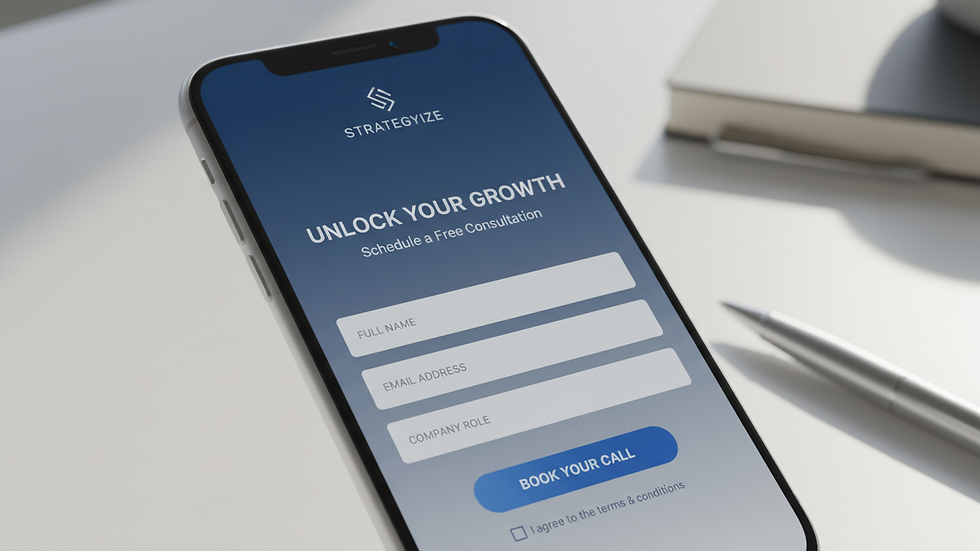
Keep your form short. Ask only for essential information like name and email. The more fields you add, the fewer people will complete it. If you need more details, consider asking for them later in the process.
How to optimize landing page for lead generation?
Optimizing your landing page is an ongoing process. Here are practical steps to improve your page’s performance:
A. Test Different Headlines and CTAs
Small changes in wording can have a big impact. Try A/B testing different headlines and CTA texts to see which versions get more clicks and conversions.
B. Improve Page Load Speed
A slow-loading page frustrates visitors and increases bounce rates. Use tools like Google PageSpeed Insights to identify and fix speed issues.
C. Use Clear and Consistent Branding
Your landing page should reflect your overall brand style. Consistent colors, fonts, and tone help build recognition and trust.
D. Leverage Social Proof
If you have positive reviews or testimonials, test different placements and formats. Video testimonials or case studies can be especially powerful.
E. Simplify Navigation
Remove unnecessary links or menus that might distract visitors. The goal is to keep them focused on the conversion action.
F. Mobile Optimization
Ensure buttons are easy to tap, text is readable, and forms are simple to complete on mobile devices.
G. Analyze Visitor Behavior
Use heatmaps and analytics to understand where visitors click, how far they scroll, and where they drop off. This data helps you make informed improvements.
Practical Tips for Entrepreneurs and Small Business Owners
You don’t need to be a design expert to create effective landing pages. Here are some straightforward tips to help you get started:
Start with a Template: Use a proven landing page template that’s designed for lead generation. This saves time and ensures you include all necessary elements.
Focus on One Goal: Don’t try to sell multiple things on one page. Pick a single offer or action and build your page around it.
Use Clear, Friendly Language: Write as if you’re speaking directly to a potential client. Avoid buzzwords and keep it simple.
Include a Privacy Statement: Let visitors know their information is safe. This small detail can increase form submissions.
Follow Up Quickly: Once you capture a lead, respond promptly. A quick follow-up increases the chance of turning leads into clients.
Why Strategic Design Matters More Than Trends
It’s tempting to chase the latest design trends, but what really matters is strategy. Your landing page should be designed with your business goals in mind, not just to look modern or flashy.
Strategic design means:
Prioritizing user experience and clarity
Aligning the page with your brand and message
Making it easy for visitors to take the next step
Continuously testing and improving based on real data
By focusing on these principles, you create a landing page that works hard for your business, helping you look credible and ready for growth.
If you want to dive deeper into the specifics, consider exploring landing page design for lead generation to see examples and best practices that align with your goals.
Taking the Next Step with Your Landing Page
Designing a landing page that generates leads is a powerful way to grow your business. By focusing on clear messaging, simple design, and strategic elements, you can create a page that feels professional and trustworthy.
Remember, the goal is to make it easy for visitors to say yes - whether that means signing up, booking a call, or downloading a resource. Keep testing, refining, and learning from your audience to improve results over time.
With the right approach, your landing page becomes more than just a webpage - it becomes a key tool in your growth strategy. Start with a clear plan, focus on what matters most, and watch your leads grow.


Comments